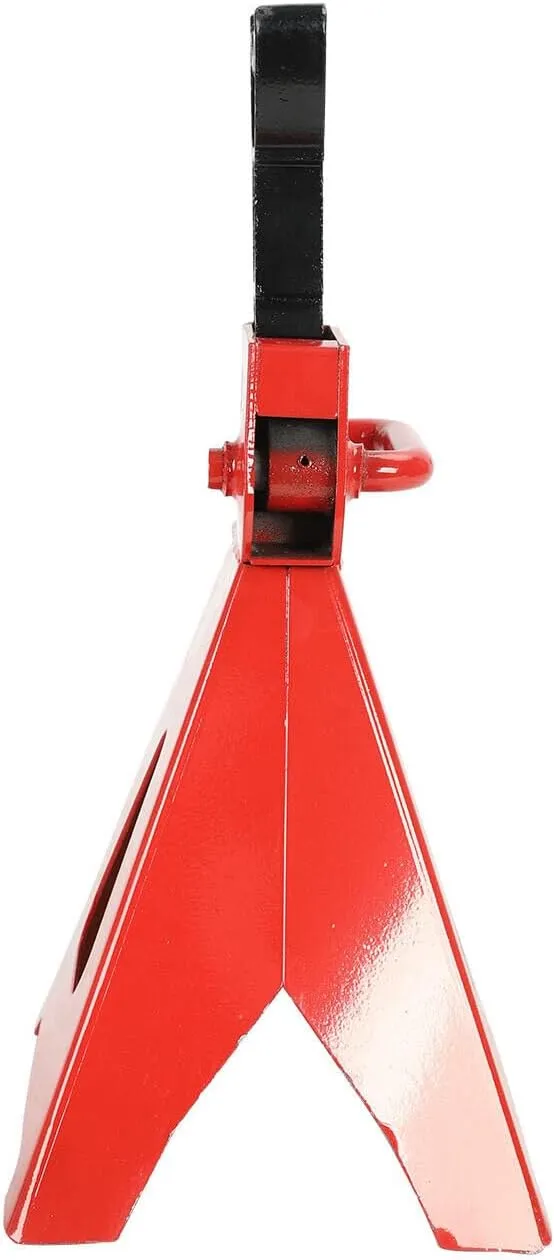
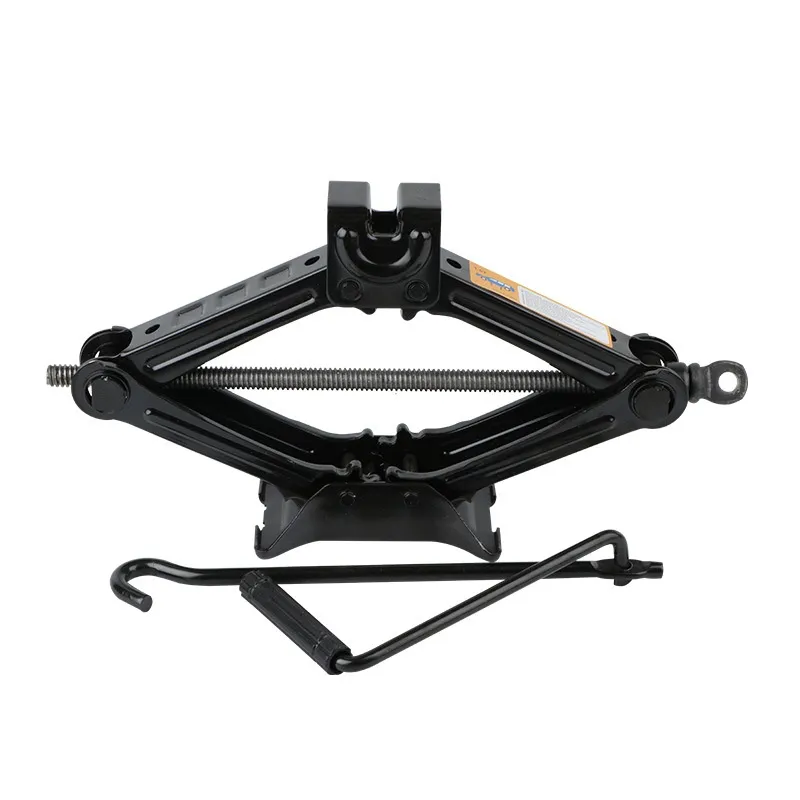
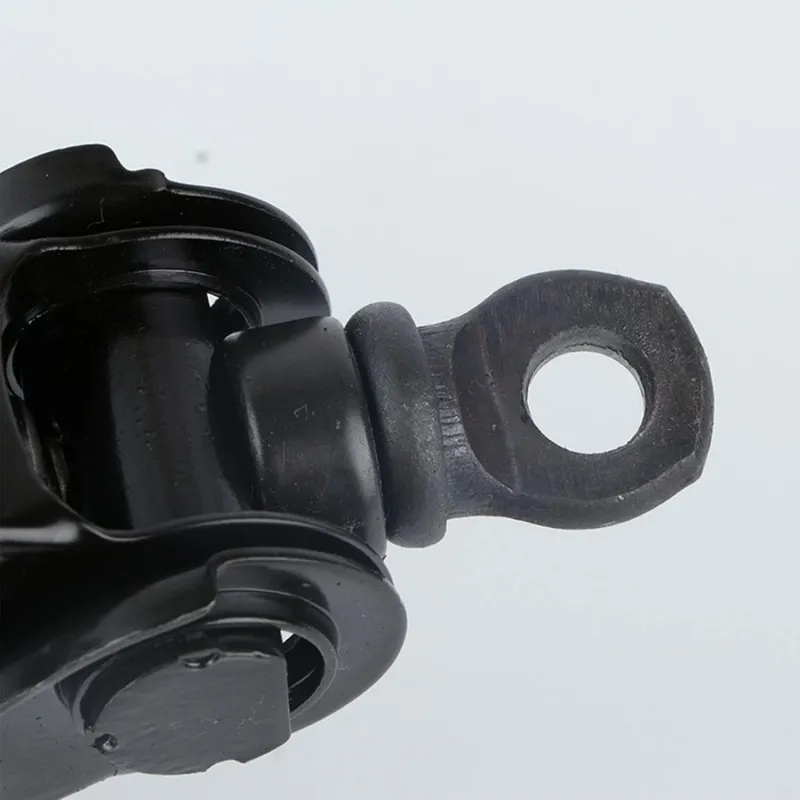
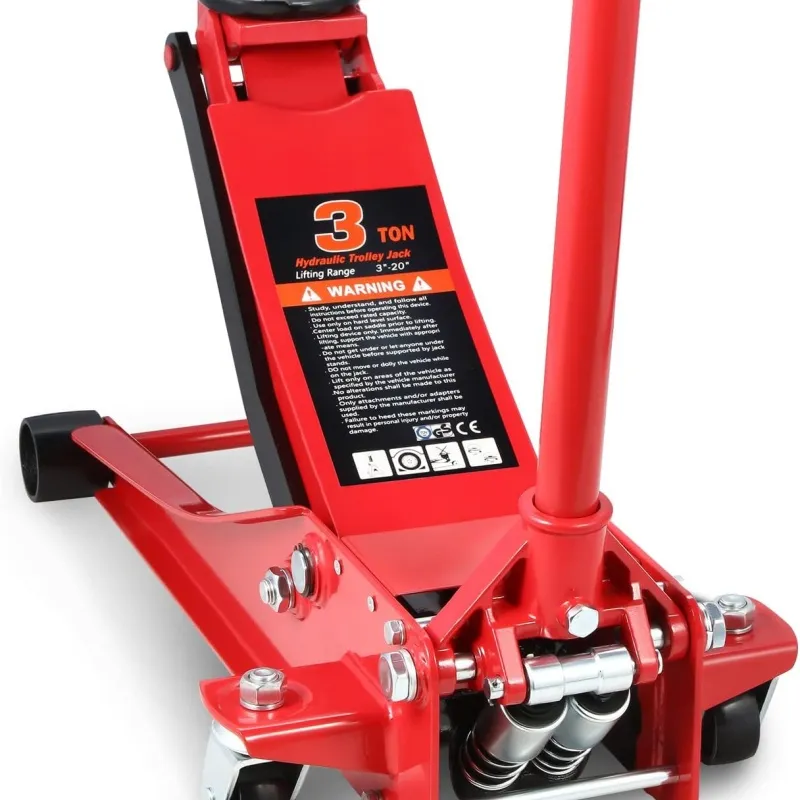
Heavy-duty steel car lift bracket

SKU: JS-002 Category:

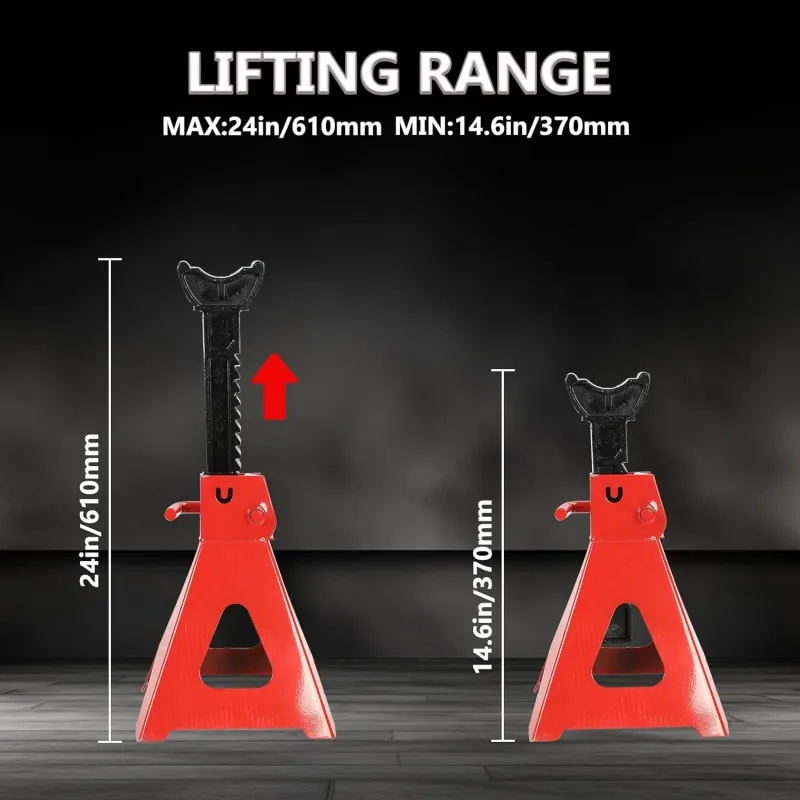
3-Ton / 6-Ton Options–Heavy-Duty Steel Jack Stands for Cars, Suitable for Garages and Repair Shops, Adjustable Height (14.6″–24″), Red

Price range: $44.00 through $51.00

Carrying Capacity

3 tons

,

6 tons

Color

Red

Material

Alloy Steel

Minimum Height

11.4 Inches

0 People watching this product now!
product delivery.svg

Fast Shipping

7-10 Days Delivery

product meny products.svg

Customer Trust

14,150 Positive Reviews

product support.svg

24/7 Support

product quality.svg

Premium Quality

Sturdy and Durable

Description
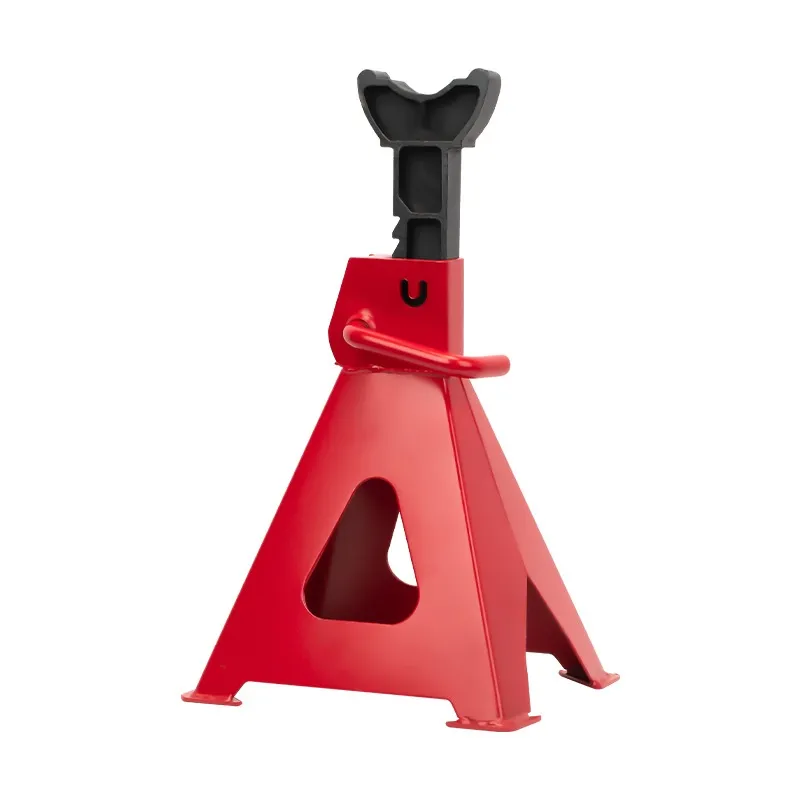
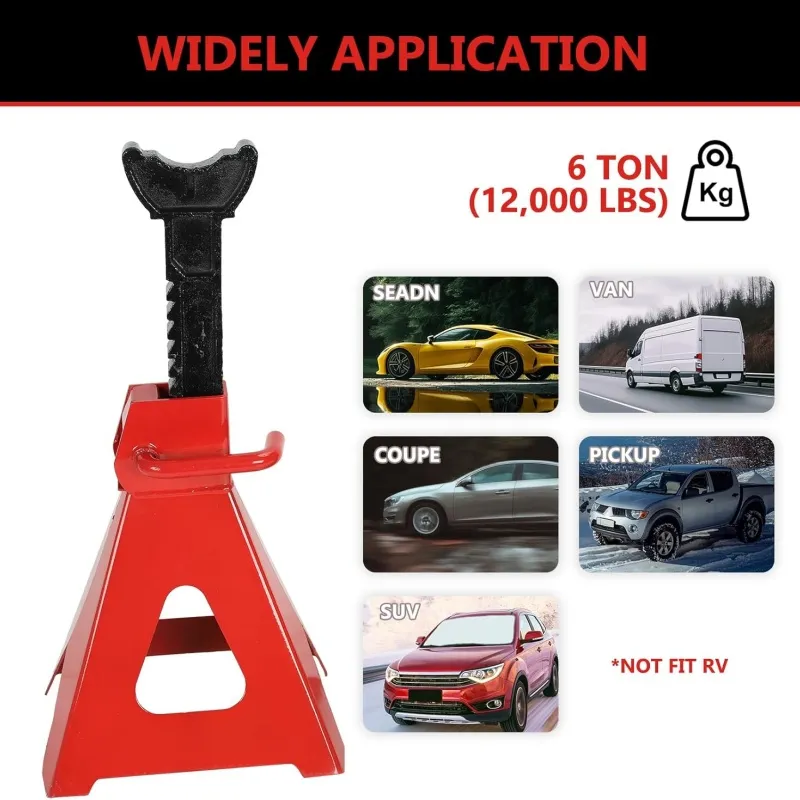
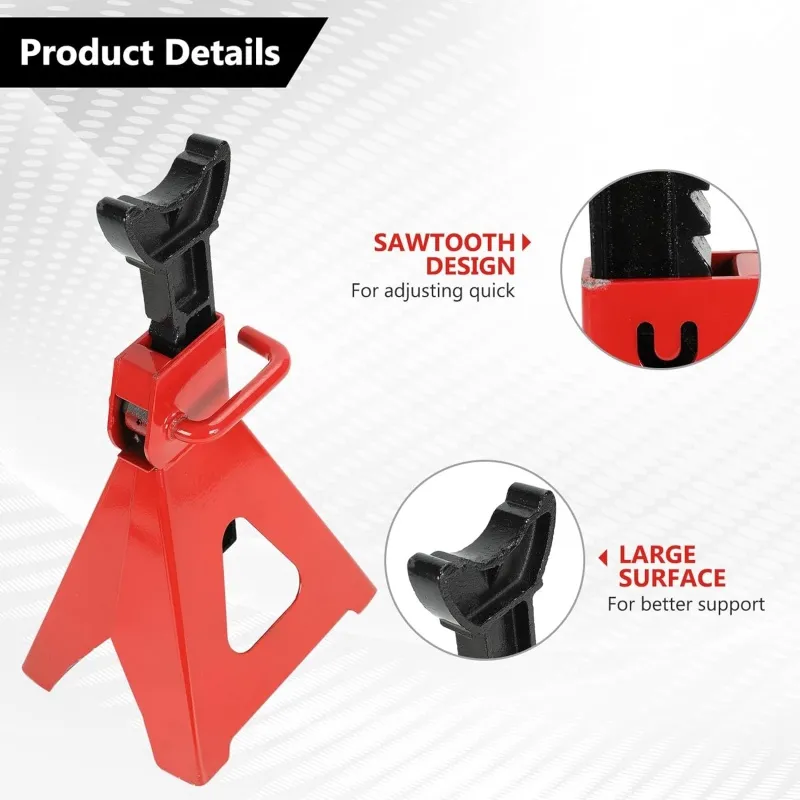
  • [Load Capacity]: Jack stand features a lifting range of 11.4″-16.8″. Load capacity: 3-Ton / 6-Ton Options. The saddle has a large surface area, which can better contact the supported load
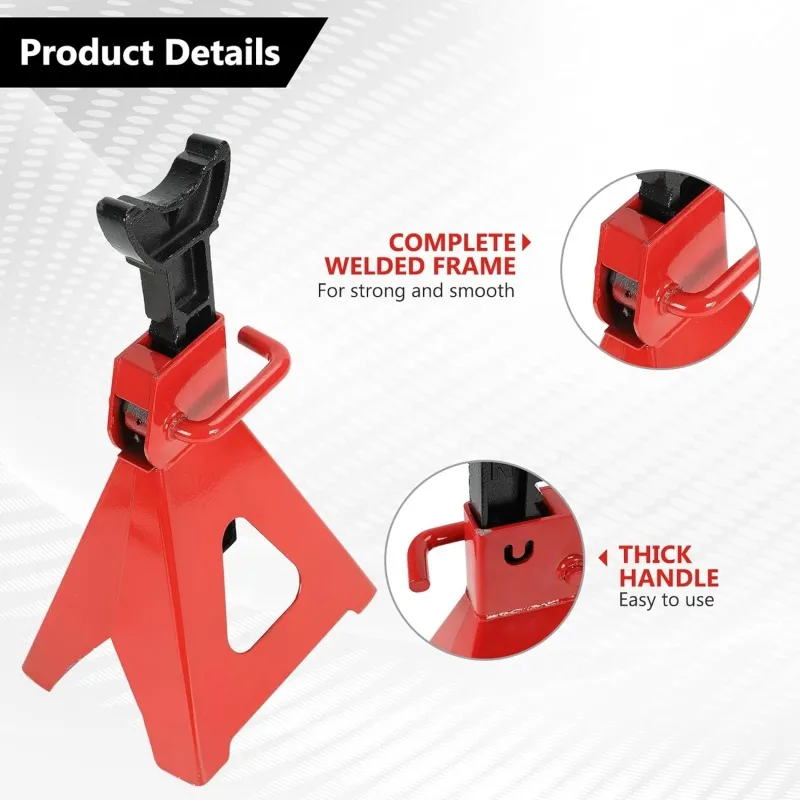
  • [Safety Top Surface]: The top saddle has a large concave contact area, providing perfect support for the load. Jack Stands can reduce the tire pressure and obtain enough space and safety under the vehicle to carry out any maintenance for you
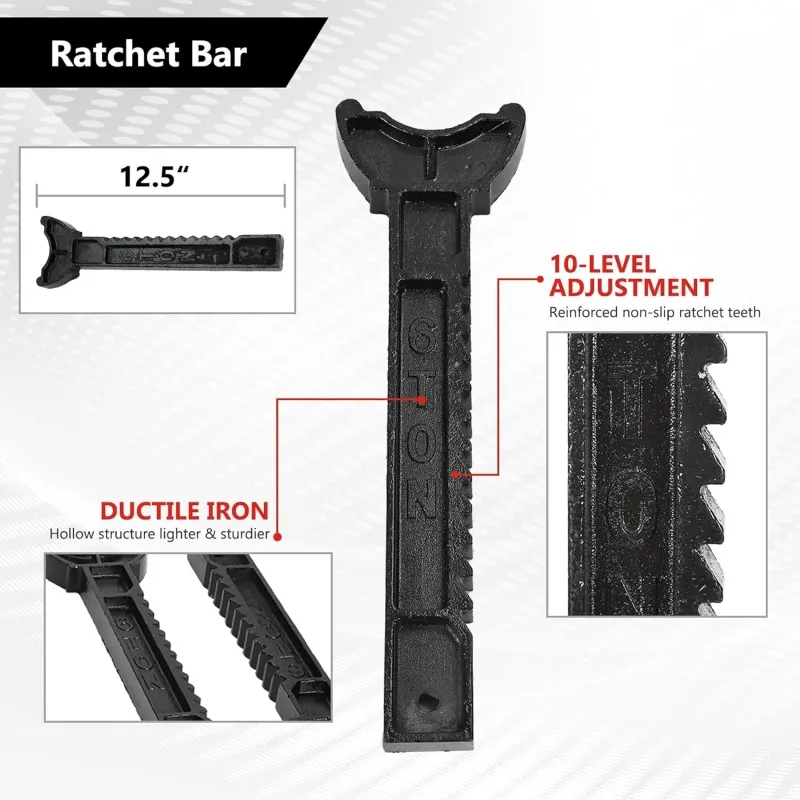
  • [Sturdy Ratchet Bar]: Multi-position ratchet bar is made of high-quality cast ductile iron, with serrated design, which can quickly adjust the height and lock in place
  • [Self-Locking Design]: Our car jack stand is forged iron self-locking ratchet rod, which is easy to use. When the handle is upward, the ratchet can be freely adjusted to any height. When the handle is lowered, the ratchet will automatically lock
  • [Application]: The pyramid-shaped base made of heavy steel is tightly connected and stable after industrial welding. It enables you to handle a variety of vehicles, including small cars, sedans, suvs, vans and pickups
Shipping & Delivery

How to Use Jack Stands

While a car jack helps lift your vehicle, it’s crucial to use jack stands when inspecting undercarriage parts or mechanical components, jack stands are a must for any work beneath your vehicle. They create a more stable support system and hold your vehicle’s weight effortlessly. When setting up jack stands, always place them at your vehicle’s pinch welds or on the frame to avoid any slipping. Once your work is done, lift the vehicle and pull the stands out from below, and you’re good to drive!

Critical Safety Reminders:

Never work under a vehicle supported only by a jack—jack stands are non-negotiable for inspections.

Inspect jacks and stands for wear (cracks, bent parts, or rust) before each use—replace damaged equipment immediately.

Never exceed the weight limit of your lifting tools—overloading leads to catastrophic failure.

Step 1

Find a flat, even surface to park your vehicle. Opt for a clean, paved area to ensure accurate vehicle inspections on level ground. Avoid conducting vehicle checks in bumpy spots, near heavy traffic, or on gravel. Ensure your vehicle is properly balanced for precise, safe inspections. A garage or flat driveway is the ideal spot for thorough, hassle-free vehicle assessments.

Confirm your vehicle’s gross weight and ensure your jack/jack stands match or exceed this capacity.

Step 2

Engage your vehicle’s parking brake first. Locate its control—whether a lever, foot pedal, or electronic switch—and activate it completely. This critical step prevents your vehicle from rolling forward or backward during jacking.

When lifting the rear of your car, place wheel chocks (or tire wedges) around the front wheels for extra security. If you don’t have chocks, 2x4 wooden planks (5.1 cm × 10.2 cm) work as a reliable substitute—position them in front of and behind the non-lifted wheels.

Step 3

Identify your vehicle’s designated lift points or sturdy frame rails—never lift from plastic bumpers, oil pans, or suspension components.For pinch welds (common lift points), use a jack pad adapter to prevent damage to the vehicle’s body.

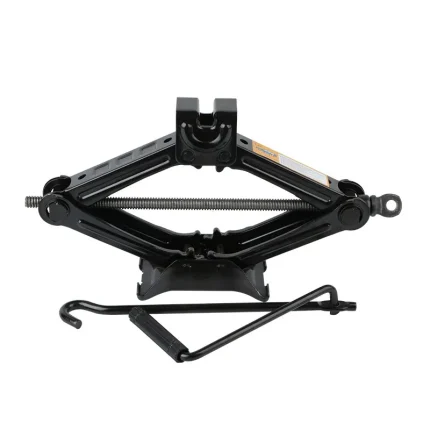
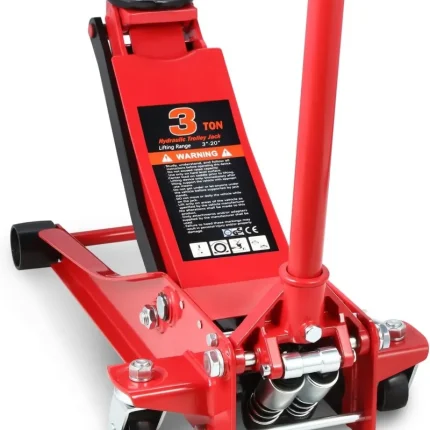
Position the jack directly under the chosen lift point, ensuring full contact with the vehicle’s frame.Pump the jack slowly and steadily to lift the vehicle—stop once there’s enough clearance to slide jack stands underneath (3-4 inches is sufficient for inspections).

Never rely solely on the jack for support during inspections—jack stands are mandatory for safety.

Step 4

Slide jack stands into place under the vehicle’s frame or designated support points—align them parallel to the jack.

Adjust the jack stands to the appropriate height and lock them in place (use ratchet-style stands for automatic locking).

Lower the jack slightly to transfer the vehicle’s weight fully to the jack stands—double-check that stands are stable and not shifting.

Test stability before crawling under the vehicle—gently rock the vehicle to ensure no movement.

Avoid sudden movements or placing excessive weight on the vehicle while inspecting.

Keep tools and equipment organized around the vehicle, not under it, to prevent tripping or damage.

Step 5 Post-Inspection Lowering

Use the jack to lift the vehicle just enough to remove the jack stands—never force stands out while weight is still on them.

Lower the jack slowly and evenly until the vehicle touches the ground fully.

Remove jack stands, wheel chocks, and the jack—store equipment properly before test-driving.