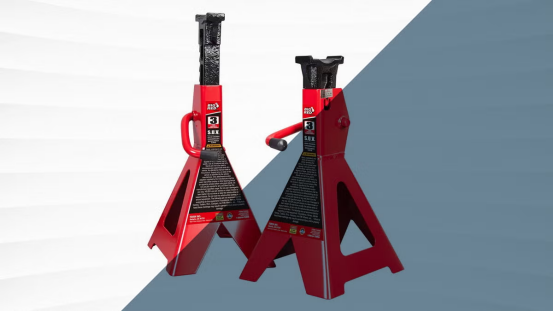
Jack Stands

Jack Stands Maintenance Guide: Double the lifespan and upgrade safety of your Jack Stands!

Jack Stand Maintenance Guide: Double the lifespan and upgrade safety of your Jack Stand!

DIY repairs are fine, but getting out of control is . Hello everyone! If you’ve ever worried about “How long will my jack stands last?” or “Is it really safe? Will it suddenly fail?”, then this article is for you. It’s not just about the durability of your tools, but also about the safety of you and your family. This article will provide a comprehensive and in-depth guide to jack stands maintenance from the perspective of a garage safety consultant , aiming to make your jack stands the most reliable partner in your garage.

There is a deep and inseparable link between the lifespan of a vehicle support bracket and safety. A poorly maintained bracket can allow internal metal fatigue, corrosion, and wear to accumulate unnoticed, eventually leading to catastrophic failure. I have witnessed far too many tragic accidents caused by seemingly insignificant details, resulting in vehicles suddenly plummeting. This is not merely a problem with the tools, but a disregard for human safety.

jack stand maintenance inspection for rust and cracks

Engineering Analysis of the Working Principle and Failure Risk of Support Frames

To properly maintain a support bracket , one must first understand its working principle and potential failure points.

A. Mechanical structure: Why can it support a weight of thousands of kilograms?

The core function of the support bracket is to safely transfer the vehicle’s enormous weight to the ground using its robust metal structure. Its design principles primarily rely on the following points:

  • The reliability of the ratchet and pin locking mechanisms is crucial for the support bracket’s height adjustment and secure locking. The ratchet style uses metal teeth engaging with pawls, while the pin style involves inserting a solid pin through the bracket and inner post. Both mechanisms are designed to provide mechanical , rather than hydraulic, locking, thus ensuring stable support over extended periods.
  • Base Design: Key to Stability : A wide, flat base is fundamental to preventing the support structure from tipping over. It distributes the vehicle’s weight over a larger area of the ground, reducing localized pressure and increasing resistance to rollovers.

B. The Invisible Killers: Wear, Corrosion, and Fatigue

Although support brackets may seem indestructible, they are still affected by time, environment, and how they are used.

  • Metal fatigue: an unseen danger . Every time a metal is subjected to heavy pressure, micro-stress is generated. Over time, this can accumulate and lead to the initiation and propagation of fatigue cracks , even before the material’s yield strength is exceeded . This is a difficult-to-detect danger that can cause structural failure without any warning.
  • Thread and ratchet wear: From “jamming” to “failure” : For threaded adjustment brackets, thread wear reduces their locking strength; for ratchet brackets, wear on the ratchet teeth and pawls makes the lock unreliable, or even causes it to slip suddenly under force. This wear usually begins with slight “jamming” or “unsmoothness,” but if left untreated, it can eventually lead to serious problems.
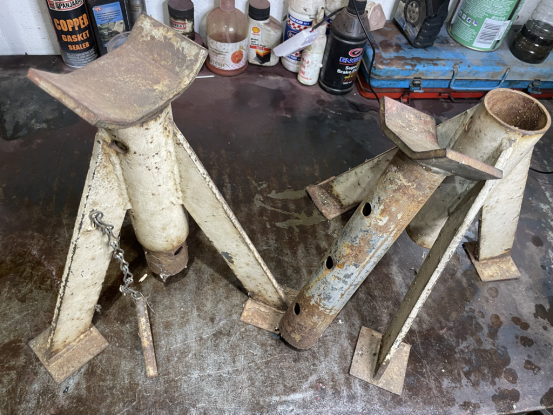
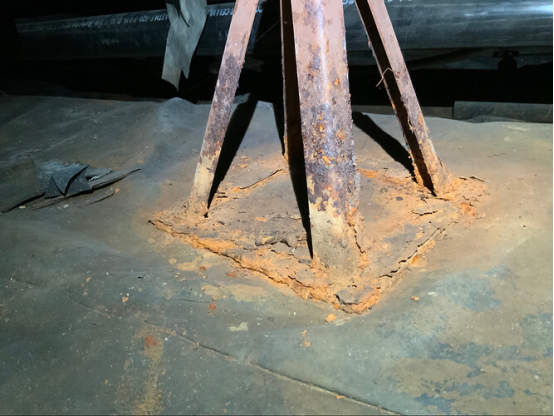
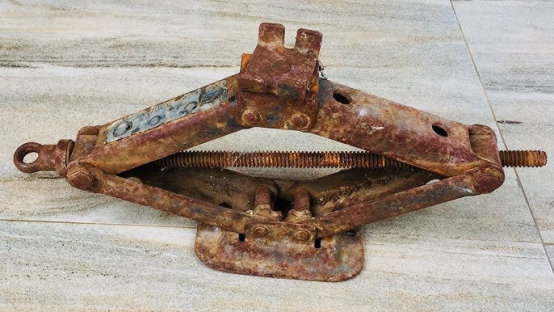
  • Corrosion: The Greatest Threat to Structural Integrity : Moisture, salt, and chemicals (such as brake fluid and engine oil) are the biggest enemies of metals. Once the protective layer (paint) is damaged, corrosion (rust) begins to erode the metal substrate, weakening its load-bearing capacity. Especially at welds and internal locking mechanisms, corrosion can cause a sharp decline in the structural integrity of a jack stands .

C. Case Study Warning: Overlooked Early Signs of Failure

Based on my years of experience in garage safety, many accidents don’t happen without warning; they stem from long-term neglect of these seemingly minor issues. These are the support brackets sending you SOS signals. For example, adjusting the height may feel awkward or produce unusual noises; or the paint on the base may peel off, and rust may begin to spread. These are all signs that the brackets are “sick,” requiring your attention and intervention according to the Jack Stands repair guide .

proper storage environment for jack stand safety and lifespan

Extending the Lifeline: A Scientific Guide to Stent Maintenance

Now that we understand the vulnerabilities of the jack stands, targeted maintenance can effectively extend its lifespan .

A. Cleaning and inspection after daily use

Spending a few minutes after each use performing a simple cleaning and inspection is the first step in maintaining the support bracket .

  • Remove dirt and oil: Prevent corrosion : Use a brush or cloth to wipe away dirt, dust, engine oil, brake fluid, or other chemical residues from the support bracket. These substances not only accelerate paint wear but can also penetrate the interior, accelerating corrosion and wear.
  • Visual Inspection: Cracks, Deformation, and Welds : Carefully inspect every corner of the support structure, especially the load-bearing legs, base, and welds. Look for signs of cracks, bending, dents, deformation , etc. Welds are areas of structural stress concentration; the appearance of cracks indicates that the structural integrity has been compromised.

B. Lubrication and rust prevention of core components

This is the most crucial step in extending the lifespan of the jack stands .

  • Ratchet/pin mechanism lubrication: Ensure smooth locking .
    • For ratchet-type catchers, pull the inner post out completely and clean the old lubricant and dirt from the ratchet teeth and pawls. Then, apply a thin layer of dry lubricant (such as PTFE-based lubricant) or lithium-based grease to the contact surfaces of the ratchet teeth and pawls . These lubricants reduce friction and ensure smooth and reliable engagement of the locking mechanism.
    • For pin-type brackets, ensure that the inner wall of the pin hole and the pin itself are clean and rust-free, and apply a small amount of lubricant.
  • Rust prevention for threaded rods: to prevent jamming and strength reduction .
    • For threaded adjustment brackets, the threaded rod is the key component that directly bears the load. After cleaning the threads, apply a layer of rust-preventive oil or wax regularly . This not only prevents the threads from rusting and seizing, but also reduces wear to some extent and maintains the thread engagement accuracy.

C. Maintenance of the base and legs

  • Check the flatness of the base: To prevent deformation leading to instability : Place the stand on a flat surface and check if it is stable and does not wobble. If the base is significantly deformed, it may cause the stand to be unstable under load, increasing the risk of tipping over.
  • Rubber Pad Replacement and Protection: Increased Friction, Vehicle Body Protection : Many support brackets are equipped with rubber pads on top to protect the vehicle’s chassis paint and increase friction. Regularly inspect the rubber pads for wear, cracks, or missing parts. Replace them promptly if damaged to ensure optimal safety and protection.

D. Storage environment optimization

Proper storage is an essential part of jack stands maintenance .

  • Dry and well-ventilated: Keep away from moisture and chemical corrosion : Store the support bracket in a dry, well-ventilated indoor environment, avoiding direct sunlight, damp surfaces, or proximity to corrosive chemicals (such as battery acids or cleaning agents). Moisture is a major cause of rust.
  • Avoid heavy pressure and impacts: Prevent structural damage : Do not stack other heavy objects on the support frame, and do not subject it to impacts or drops from heights. Even seemingly minor impacts can create microcracks inside the metal, setting the stage for future failures.
Jack stands cannot be used.

When to say “no”: Decisions about scrapping and replacement

the best jack stands maintenance cannot prevent tools from wearing out forever. Knowing when to discard a tool is the ultimate line of defense for ensuring safety.

A. Checklist for the “health check” of the support stent

Regularly (e.g., annually or before each major repair) check your support bracket against the following checklist:

Failure SignRisk LevelRecommendation
The surface is severely corroded (especially the load-bearing parts).highScrap immediately : The corrosion has severely affected the metal’s strength.
Weld cracks or obvious deformationExtremely highImmediate disposal : Structural integrity has been compromised, posing an immediate danger.
The ratchet/pin is stuck or loose, and cannot be reliably locked.highImmediate disposal : The locking mechanism is unreliable and may slip out at any time.
The outriggers are bent or the base is uneven, making it impossible to place stably.Medium and highAssessment or scrapping : May result in vehicle rollover.
Rubber pads are severely worn or missingLowReplacing the rubber pads : does not affect structural strength, but affects friction and vehicle protection.
The adjusting column has obvious scratches or dents.middleClose monitoring : This could affect smoothness and provide an opportunity for corrosion.

B. The major hidden dangers behind those “small problems”

In my accident review, I discovered that many jack stands failures begin with seemingly harmless initial wear and tear, eventually escalating into disaster. For example, a slightly rusty ratchet, after prolonged use in a damp environment, might suddenly collapse under stress. Don’t take chances; any compromise on safety equipment is a risk to your life. Take any warning signals from your jack stands seriously.

C. Invest in new stents: Pay for your safety

Safety is not a one-time investment, but an ongoing responsibility. If you find that your existing jack stands has reached the end of its service life, do not hesitate to invest in a new one. When choosing, in addition to focusing on load-bearing capacity, you should also consider the security of its locking mechanism (such as a double-locking design), the robustness of its materials (such as heavy-duty steel), and the stability of its base. A high-quality, professionally maintained support system is worth far more than its price.

Summary and Safety Tips

Jack stands maintenance is more than just extending tool life; it’s a responsibility you take for your own and your family’s safety. Through regular cleaning, lubrication, rust prevention, and inspection, you can significantly extend the life of your jack stands , ensuring they provide rock-solid support for every garage repair.

Final safety reminder: DIY is fine, loss of control is. Proper jack stands maintenance is key to ensuring safety every time you work in your garage.

If you want to minimize the risks of garage repairs and provide the strongest support for your vehicle, a professionally maintained or upgraded jack stands is essential. Learn more about quality jack stands repair guides and product selection to ensure peace of mind every DIY project.

FAQ

Q1: How often should the support bracket be lubricated? A1: It is recommended to clean and lubricate the critical moving parts of the support bracket (such as ratchet, pins, and threads) every six months or before each major maintenance. If used frequently, or in humid or dusty environments, the lubrication frequency should be increased.

Q2: Can I still use a support bracket if the rubber pads are damaged? A2: The main function of the rubber pads is to protect the vehicle’s chassis paint from metal scratches and to increase the friction between the bracket and the vehicle’s contact surface, preventing slippage. While missing or damaged pads do not directly affect the structural strength of the bracket, they increase the risk of the vehicle moving on the bracket and may damage the vehicle’s chassis. For maximum safety and protection, it is recommended to replace damaged rubber pads promptly.

Q3: How should I store the support bracket to prevent rust? A3: The best storage environment is a dry, well-ventilated indoor location, avoiding direct contact with the ground. After each use, be sure to clean the bracket thoroughly of dirt and oil, and apply a thin layer of rust-preventive oil or wax to critical metal parts (especially threads and ratchet). Avoid storing the bracket in damp places or places susceptible to chemical corrosion.

author-avatar

About Gavin Reid

Gavin Reid has been obsessively analyzing garage safety protocols and vehicle support systems for over a decade. After transitioning from a professional service bay to independent safety consulting in 2020, Gavin realized the market was flooded with confusing weight ratings and compromised designs that offered a false sense of security. His Mission: To help DIY mechanics—especially home hobbyists—identify critical failure points in vehicle lifting and ensure every project ends safely. Why Trust Gavin: Engineering Obsessive: He dissects load paths and weld integrity. From metallurgy to geometric stability, he understands the physics that keep two tons of steel from crushing a human chest. Data-Driven Testing: Gavin has stress-tested 40+ models, evaluating lateral stability and locking redundancy rather than just "marketing tonnage." In the Garage: He’s a fixture in local DIY communities, frequently inspecting frame rails for pinch weld placement and documenting metal fatigue on aging gear. Gavin believes that "a lapse in physics is a permanent mistake." He is dedicated to teaching mechanics how to maintain a "zero-trust" relationship with their equipment. Would you like me to provide Gavin’s specific checklist for identifying structural fatigue in used jack stands?