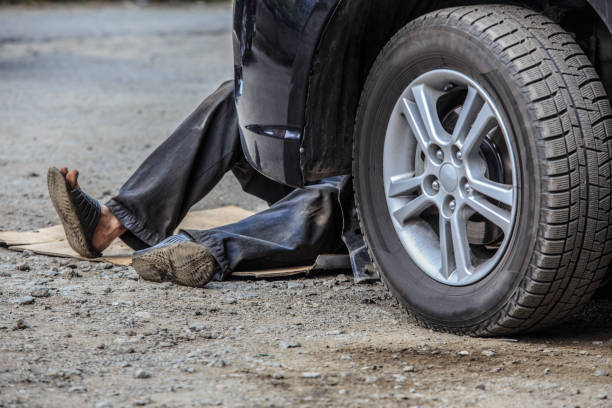
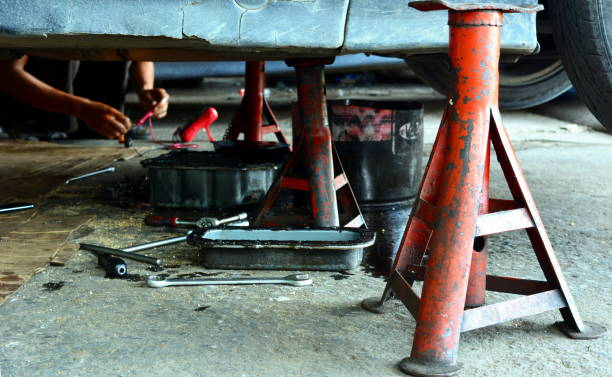
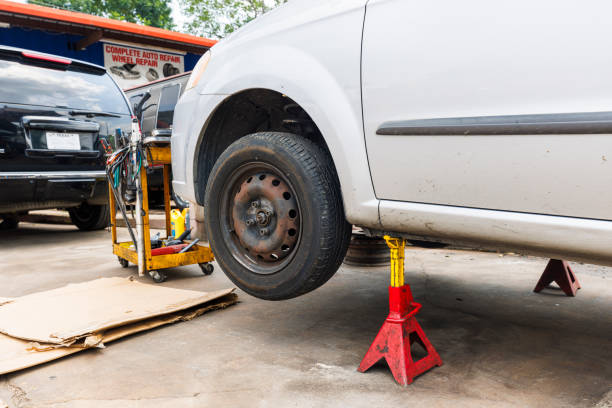
Jack Stands

Rubber vs. Polyurethane: Safety and Durability are Key Considerations When Choosing Jack Stand Pads

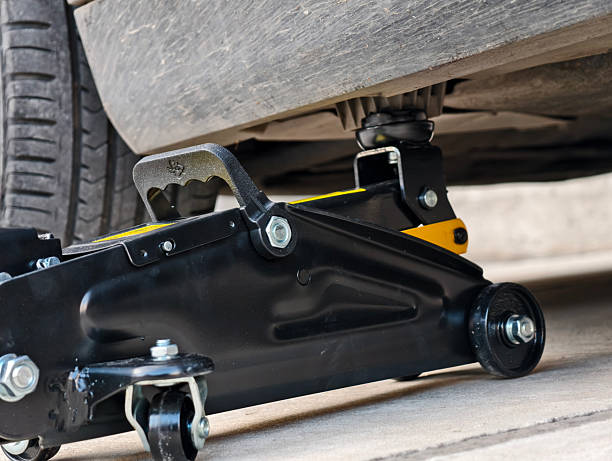
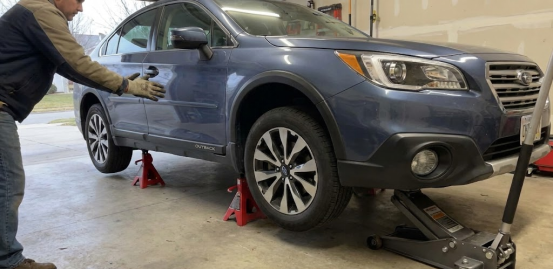
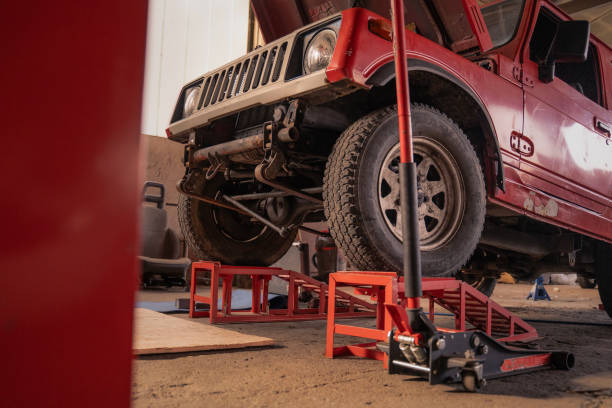
Hydraulic floor jack lifting a car, requiring secure Jack Stands for safety.

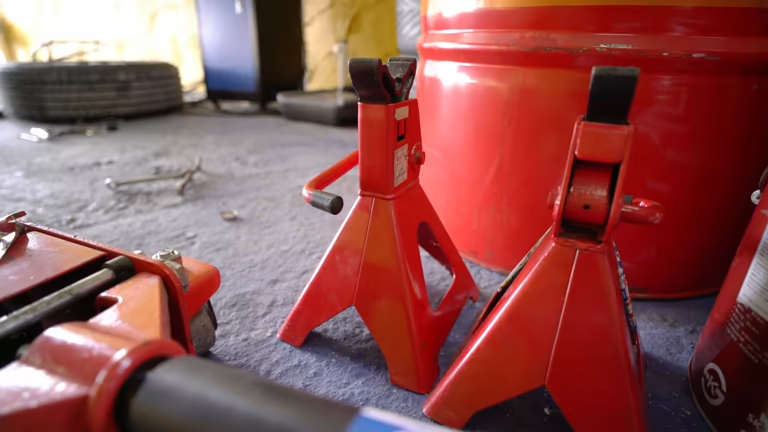
Hey friends! I’m your old friend. When your car is lifted up and parked steadily on the jack stands, have you ever wondered what role that little interface between the jack stands and the car body—the jack stand pads—plays?

In my opinion, jack stand pads are often overlooked heroes. Many people think that any random object will do, or they might as well not use them at all. However, the choice of this “small detail” not only affects whether your vehicle will be damaged, but also directly impacts the stability and predictability of the entire lifting process.

Today, I’ll act like a seasoned mechanic who stops you before you even get started, using my personal experience and engineering mindset to guide you through an in-depth analysis of the two most common jack pad materials: rubber and polyurethane. We’ll explore the core differences between polyurethane and rubber jack pads, and how to make an informed choice for your vehicle, especially for its fragile pinch welds, that protects your car while ensuring safe lifting.


Jack Stand Pads are not just a buffer, but also the first line of defense for safety.

You might ask, aren’t jack stand pads just for cushioning? You’re half right.

Their function goes far beyond that; more accurately, they are the first “soft” line of defense for your vehicle’s lifting safety.

Protecting Pinch Welds

First, let’s talk about protecting Pinch Welds. The designated points on the underside of your car body used for lifting, usually along the metal edges below the doors, are called pinch welds. These are relatively vulnerable areas in the body structure, made of multiple layers of thin metal sheets welded together.

Without jack stand pads, or with improperly made pads, the metal tips of the jack stands will press directly against these edges, easily causing permanent deformation, bending, or even tearing of the pinch welds. Imagine a sharp metal object pressing against your fingernail for an extended period; the damage is irreversible.

This not only affects the vehicle’s appearance but can also damage the integrity of the body structure itself, thus affecting the vehicle’s resale value and, in extreme cases, even safety.

Distributing Stress

Secondly, the importance of jack stand pads lies in their ability to distribute stress. Jack stand designs vary; some are flat, others have grooves, but regardless of the type, their contact area with the vehicle body is relatively small.

The presence of a jack stand acts like a “force diffuser,” distributing the localized high pressure transmitted from the jack stand more evenly across a wider area of the vehicle body, preventing point-source stress from causing deformation of the body structure, especially the chassis coating or deeper metal plates.

Improving Grip and Stability

Finally, jack stand pads also improve grip and stability. High-quality jack pads typically have a high coefficient of friction, which effectively increases the grip between the top of the jack stands and the vehicle’s lifting point.

Imagine if the contact surface were smooth; during vehicle lifting or maintenance on the jack stands, even slight wobbling or lateral forces could cause the jack stands to slip, which is undoubtedly a high-risk action.

As we have repeatedly emphasized: load-bearing capacity ≠ actual safety. Even if your jack stands have a high rated load capacity, it will be useless if the contact surface is unstable. Remember, incorrect placement is more likely to cause accidents than product quality, and the selection and placement of the pads are a crucial aspect of “placement point” safety.


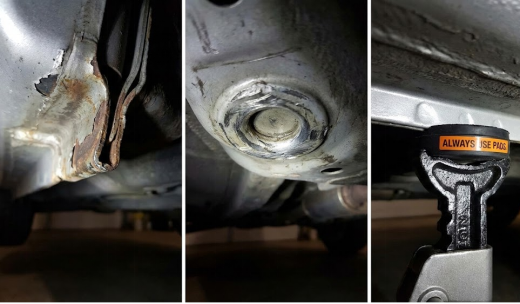
Close-up of car undercarriage, showing rust, jack point, and Jack Stands with protective pads.

In-depth analysis of Rubber Jack Stand Pads: Hidden risks beneath familiarity

Rubber jack stand pads are the most common type on the market and the first choice many DIY enthusiasts encounter. Their advantages are obvious:

  • Cost-effectiveness: They are usually inexpensive and easy to buy, making them economical for users with limited budgets or who do not frequently perform vehicle maintenance.
  • Initial grip: New rubber pads often have good traction and can provide relatively stable support in the initial stages.

However, as a garage safety consultant, I must remind you that behind these advantages of rubber lie risks that cannot be ignored.

  • Aging and Cracking

    Rubber is an organic polymer material, and its enemies are ultraviolet light, oil stains, and temperature changes. Prolonged exposure to garage environments or repeated contact with chemicals such as engine oil and brake fluid will cause rubber to gradually harden, lose its elasticity, and even develop noticeable cracks.You may also find that some inferior rubber pads emit a pungent odor. This degradation process is irreversible; once rubber pads exhibit these symptoms, their cushioning and protective capabilities are greatly reduced, and they may even become a potential hazard.

  • Poor Cut Resistance

    This is the biggest weakness of rubber pads in protecting pinch welds. Although the edges of pinch welds are not as sharp as knives, they still have a strong cutting force on the relatively soft rubber material under the pressure of hundreds of kilograms or even tons of a vehicle.With prolonged use or under a single high-pressure event, rubber pads can easily be cut through by pinch welds, causing the metal tip of the jack stand to come into direct contact with the car body metal. At that moment, the original purpose of using pads is completely lost, and the risk of damage to the car body is instantly maximized.

  • Deformation and Fatigue

    Rubber is prone to permanent deformation under prolonged high pressure, especially after repeated use. Like flattened clay, it is difficult to regain its original shape, thus losing its proper support height and cushioning elasticity.This “fatigue” causes the support surface of the jack stands to become uneven, thereby affecting the stability of the entire lifting system.

We often say that metal structures are susceptible to fatigue and aging, but in fact, the failure of rubber pads can also indirectly affect the safety of the entire lifting system.

Not to mention, many people believe that “short-term operation does not necessarily mean greater safety,” but even a few minutes of maintenance can cause problems with a deteriorated rubber pad.


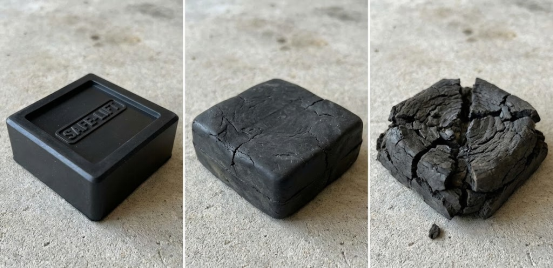
Evolution of a degraded rubber pad used with Jack Stands for vehicle protection.

Explore Polyurethane Jack Stand Pads: Investing in Safety and Durability

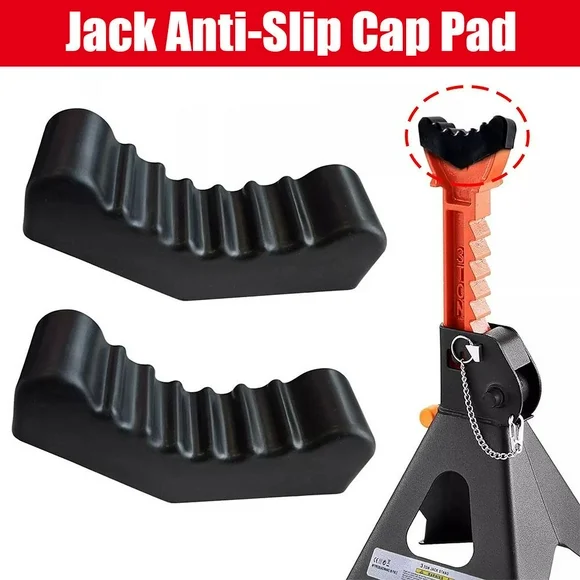
If rubber pads are the familiar, traditional choice, then polyurethane jack stand pads offer an upgrade for DIY enthusiasts seeking ultimate safety and durability. Polyurethane is a high-performance polymer, and its properties make it excel in jack stand pad applications.

  • Superior Durability

    This is the core difference between polyurethane and rubber jack pads. Polyurethane boasts remarkable resistance to cuts and abrasion. It effectively resists the sharp edges of pinch welds, maintaining its structural integrity even under immense pressure, preventing it from being cut through.Furthermore, its resistance to oil, solvents, and various chemical corrosions far surpasses that of rubber, meaning it has a longer lifespan in complex environments like garages and doesn’t produce a pungent odor

  • Perfect Balance of Hardness and Elasticity

    Polyurethane pads are generally harder than rubber, providing a more stable support. However, they are not without elasticity; while maintaining sufficient hardness, they still possess a moderate degree of elastic deformation.This characteristic allows them to effectively distribute pressure when supporting vehicles, while better protecting pinch welds from damage. They won’t cause indentations like direct contact with overly hard metals, nor will they be easily cut like overly soft rubber

  • Strong Deformation Recovery

    Unlike rubber, polyurethane has a stronger deformation recovery under prolonged high pressure. Even after being subjected to heavy pressure for a period of time, it can better return to its original shape, ensuring that the support surface of the jack stands remains flat and stable, which greatly improves the predictability of the lifting process.

  • Temperature stability: Polyurethane exhibits more stable performance under different temperature conditions, unlike rubber which becomes brittle at low temperatures or too soft at high temperatures.

Of course, polyurethane Jack pads reviews generally indicate a relatively high price. However, in my opinion, this investment is well worth it. You’re paying for your vehicle’s safety, your repair efficiency, and your own peace of mind.

As I often say: true safety comes from ‘predictability,’ not luck.

Choosing polyurethane pads adds a reliable safety redundancy (an extra layer of support) to your entire lifting system, which is the core concept of professional operation. If you’re looking for the best material for jack pads or durable jack stand pads, polyurethane is undoubtedly one of the top answers you can find.


How to Choose the Right Jack Stand Pads for Your Vehicle: Decision Making Beyond Appearances

Now that we’ve gained a deeper understanding of the advantages and disadvantages of rubber and polyurethane, how do you make the right choice based on your specific needs? This requires you to go beyond mere price and consider a more nuanced perspective.

First, let’s use a table to make a direct comparison:

Features/MaterialsRubberPolyurethane
costLowRelatively high
DurabilityProne to aging and cracking, with a short lifespan.Extremely durable, cut-resistant, abrasion-resistant, chemically resistant, and long-lasting.
Pinch Weld ProtectionPoor cut resistance; easily cut through, causing damage to the vehicle body.Highly cut resistant, effectively protecting pinch welds from damage.
Chemical corrosion resistantPoor quality, easily affected by oil and solvent corrosion.Excellent, virtually unaffected by common garage chemicals.
Deformation recovery forcePoor quality, prone to permanent deformationExcellent, recovers quickly after high pressure.
stabilityAs it ages, it becomes less prone to slippage.Excellent, providing consistent and reliable grip.
OdorSome inferior products have a pungent odor.Odorless
Applicable ScenariosOccasional, minor repairs, with an extremely limited budget.Frequent and intensive maintenance, pursuing ultimate safety and long-term investment value

When making a decision, please consider the following key factors:

  • Vehicle type and weight: If you own a heavy-duty SUV or pickup truck, or if your vehicle’s pinch welds are inherently fragile, then choosing durable jack stand pads is essential.The high hardness and cut resistance of polyurethane provide more reliable support and protection for your heavy-duty vehicle.

  • Maintenance frequency: If you’re the kind of DIY enthusiast who likes to tinker in your garage every weekend, the long-term durability of polyurethane pads will save you a lot of trouble.They can withstand frequent lifting and various types of wear and tear, making this one-time investment far more cost-effective than repeatedly buying rubber pads in the long run.

  • Working environment: Does your garage frequently contain oil, brake fluid, coolant, and other chemicals? These substances are highly corrosive to rubber and will accelerate its aging. Polyurethane, on the other hand, exhibits excellent resistance to chemical corrosion and is better suited to this complex environment.
  • Pinch Weld Condition: If your vehicle’s pinch welds have already suffered some wear or deformation due to previous improper handling, then the protective function of polyurethane pads becomes even more crucial. They can minimize further damage.

Based on my years of experience in garage safety, choosing jack stand pads should never be based solely on price. Damage to a single pinch weld, or worse, a lift accident, can cost far more than a high-quality polyurethane pad. Safety is not a trade-off.

Regardless of the material you ultimately choose, always use jack stands correctly. This includes:

  • always operating on a flat, solid surface;
  • using wheel chocks to lock any wheels that are not lifted;
  • placing the jack stands at the jacking points specified by the vehicle manufacturer; and
  • never skimping on adding a safety redundancy (an extra layer of support).

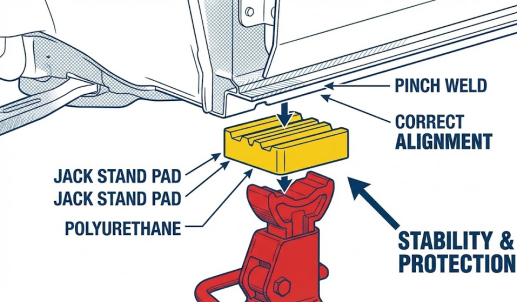
Diagram illustrating correct Jack Stands usage with a polyurethane pad for stability and protection.

Master the details, control safety

Today’s sharing aims to answer the core question: Rubber vs. Polyurethane: What Should I Consider When Choosing Jack Stand Pads for My Vehicle?

Choosing jack stand pads is not a trivial matter; it concerns the health of your vehicle and, more importantly, your personal safety.

Rubber and polyurethane each have their own advantages, but if you are looking for the ultimate predictability and safety redundancy, then polyurethane is undoubtedly a more reliable partner, providing longer and more reliable support for your jack stands.

Explore more expertise on jack stands selection and use, and get a comprehensive safety guide.


FAQ

Q1: What are the main differences between polyurethane and rubber jack pads?

Choosing the right material is essential for long-term safety and protection:

  • Polyurethane Pads: Known for excellent durability, cut resistance, and chemical corrosion resistance. They recover well under high pressure and provide durable protection for pinch welds, though they are more expensive.
  • Rubber Pads: Generally more affordable with good initial grip. However, they are prone to aging, cracking, and have poor cut resistance, posing higher risks over long-term use.
Q2: How can I determine if my jack stand pads need to be replaced?

Regular inspection is critical. Replace your pads immediately if you notice:

  • Obvious cracks, hardening, or chipping.
  • Deep cut marks or severe permanent deformation.
  • Loss of a snug fit against the jack stand top or vehicle body.
  • Poor resilience (fails to bounce back) after being subjected to stress.
Damaged pads can compromise vehicle stability; do not hesitate to replace them.
Q3: Can using jack stand pads completely avoid damage to the pinch welds?

High-quality pads (especially polyurethane) greatly reduce risk, but complete safety requires proper technique:

  • Always use manufacturer-specified jacking points.
  • Ensure the ground is flat and stable.
  • Always implement safety redundancy (like wheel chocks).
Jack pads are a layer of protection, not a substitute for proper safety procedures.
author-avatar

About Gavin Reid

Gavin Reid has been obsessively analyzing garage safety protocols and vehicle support systems for over a decade. After transitioning from a professional service bay to independent safety consulting in 2020, Gavin realized the market was flooded with confusing weight ratings and compromised designs that offered a false sense of security. His Mission: To help DIY mechanics—especially home hobbyists—identify critical failure points in vehicle lifting and ensure every project ends safely. Why Trust Gavin: Engineering Obsessive: He dissects load paths and weld integrity. From metallurgy to geometric stability, he understands the physics that keep two tons of steel from crushing a human chest. Data-Driven Testing: Gavin has stress-tested 40+ models, evaluating lateral stability and locking redundancy rather than just "marketing tonnage." In the Garage: He’s a fixture in local DIY communities, frequently inspecting frame rails for pinch weld placement and documenting metal fatigue on aging gear. Gavin believes that "a lapse in physics is a permanent mistake." He is dedicated to teaching mechanics how to maintain a "zero-trust" relationship with their equipment. Would you like me to provide Gavin’s specific checklist for identifying structural fatigue in used jack stands?